
From Reactive to Proactive: Rethinking IT in Healthcare
Learn how a proactive IT strategy can reduce downtime, strengthen security, and keep your team focused on resident care.
Lunch & Learn | Thursday, October 1 | 11:30AM–1:30PM
Your IT shouldn’t have to break before someone pays attention to it.
For healthcare organizations, even a small technology issue can create major disruptions for staff, daily operations, and patient or resident care.
Join Christin Campbell, Account Executive at Charles IT, and Jay Santos, Business Development Manager at Charles IT, for a practical Lunch & Learn focused on moving from reactive IT to a more proactive strategy.
We’ll break down the hidden costs of reactive IT, what proactive technology management actually looks like, and how the right approach can help reduce downtime, strengthen security, and keep your team focused on delivering quality care.
What We’ll Cover
- Why healthcare organizations fall into a reactive IT cycle
- The operational and financial impact of recurring technology issues
- What proactive IT actually looks like
- How proactive IT can reduce downtime and security risk
- The connection between IT management, cybersecurity, and compliance
- How technology issues can impact staff, patient and resident care, and daily operations
- Questions to ask when evaluating your current IT strategy
Perfect for healthcare executives and administrators, practice owners and managers, executive directors, IT leaders, operations leaders, compliance and security professionals, and business leaders involved in technology decisions.
Whether you’re part of a medical practice, physician group, assisted living community, skilled nursing facility, senior living community, or another healthcare organization, you’ll leave with a clearer understanding of what a proactive IT strategy should look like, and practical questions you can use to evaluate your current approach.
Register for the Lunch & Learn
Don’t Wait for Something to Break.
Technology problems don’t just affect computers. In healthcare, they can quickly impact staff productivity, communication, security, daily operations, and the delivery of quality care.
A proactive IT strategy is designed to identify potential issues before they become disruptions. That means consistent monitoring and maintenance, patching and updates, backup and disaster recovery, security monitoring, and planning for technology needs instead of constantly reacting to them.
During this Lunch & Learn, Christin Campbell and Jay Santos will explore how healthcare organizations can move beyond the “something breaks → call IT → fix it → move on” cycle and take a more proactive approach to technology.
The goal isn’t to add more complexity. It’s to reduce disruption, strengthen security, address recurring issues at the root, and make sure your technology strategy supports your staff and the delivery of quality care.
Thursday, October 1 | 11:30AM–1:30PM
Wannamoisett Country Club | Rumford, RI
Join us for lunch and leave with a practical approach to making IT more proactive, and less disruptive.
Speakers
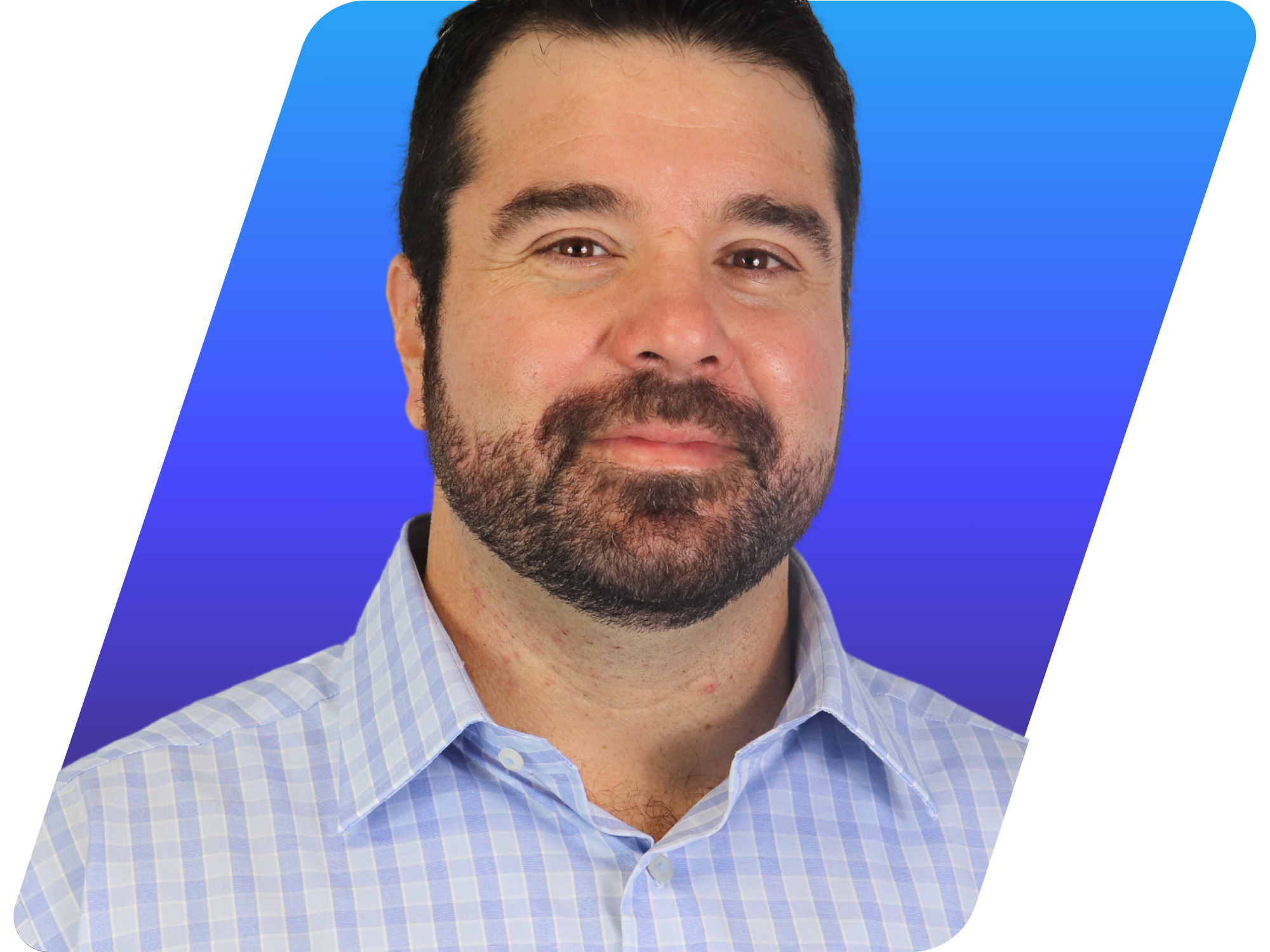

Meet Your Speaker
Jay Santos, Business Development Manager, Charles IT
Jay Santos is a Business Development Manager at Charles IT, where he helps organizations align technology decisions with business goals. Known for his relationship‑driven approach, Jay works with leaders to identify practical, scalable IT solutions that support growth while managing risk.
LinkedIn: Jay Santos | LinkedIn
Meet Your Speaker
Christin Campbell, Account Executive, Charles IT
Christin Campbell is an Account Executive at Charles IT, where she partners with healthcare organizations to align IT, cybersecurity, and compliance with daily operations. With a background in technology sales, she helps care-focused organizations protect sensitive information, strengthen security, meet HIPAA requirements, and ensure technology supports reliable operations and quality patient care.
LinkedIn: Christin Campbell| LinkedIn